Manners and Respect
Why Manners and Respect Still Matter
Please and thank you can seem like small, almost decorative things next to the bigger goals most parents care about — confidence, emotional health, independence. It's easy to let manners slide as a minor concern, something to circle back to later.
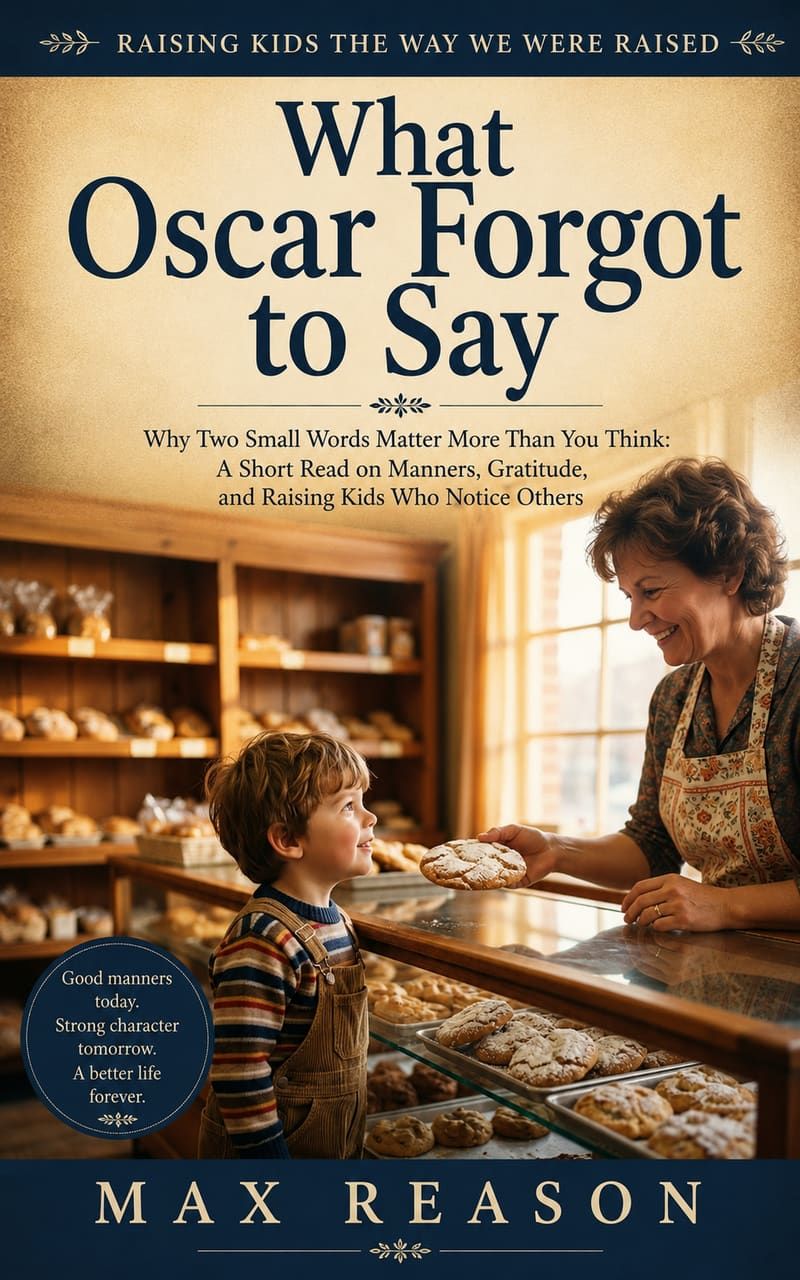
But manners were never really about politeness for its own sake. They're a child's earliest, simplest practice at noticing other people — recognizing that someone did something for them, that someone else's time and effort are real, that the people around them aren't just background to their own day.
Respect works the same way. Speaking civilly to a frustrating teacher, a strict coach, or an inconvenient rule doesn't require blind obedience or agreement. It requires a child to understand that other people's authority and effort deserve a baseline of consideration, even in a disagreement — a skill that matters well past childhood.
None of this needs to be heavy-handed. Manners get built the way most habits do: modeled consistently, expected without exception, and gently corrected when they slip, rather than lectured about at length.
A child who's grown up noticing and acknowledging other people tends to be easier to like, easier to work with, and — not incidentally — easier to live with. That's not a small thing to hand someone.