Gen X Parenting
What Gen X Childhood Taught Us About Independence
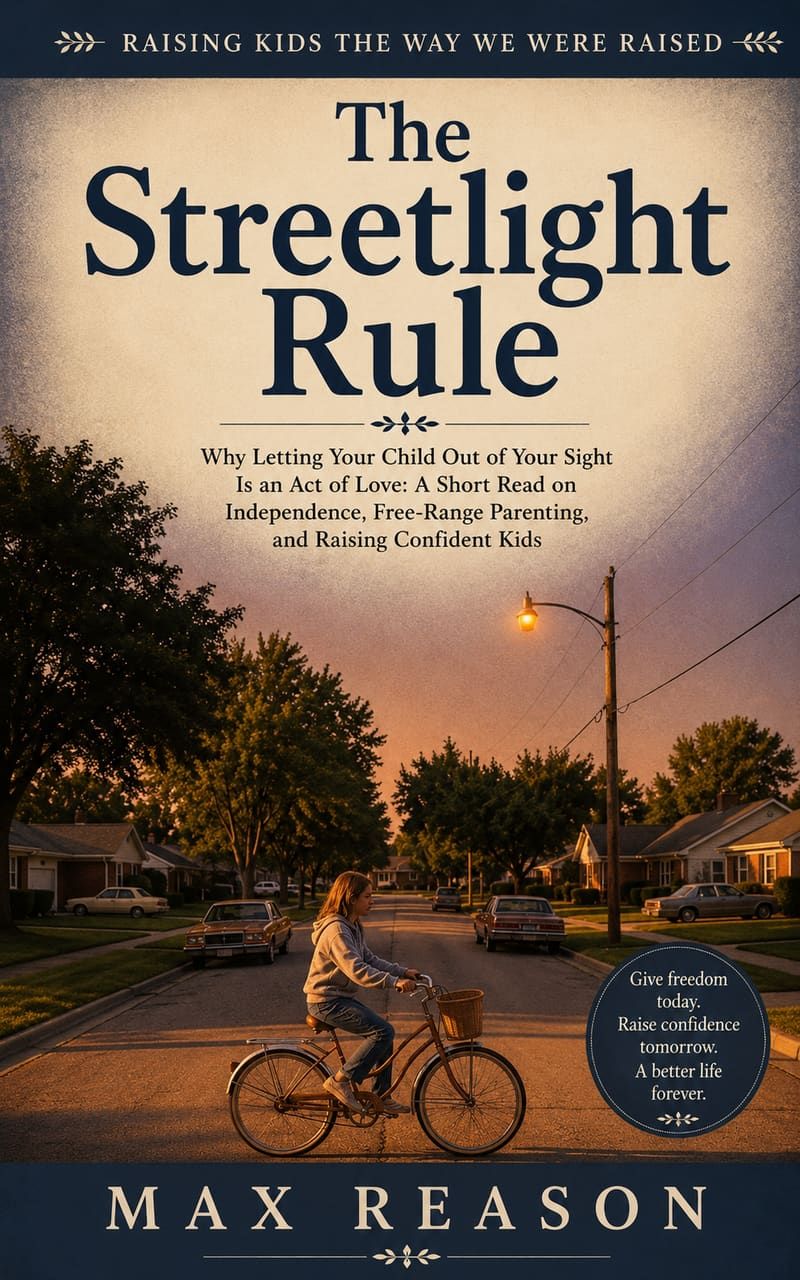
There was nothing especially deliberate about it at the time. A kid grabbed a bike, told a parent roughly where they'd be, and disappeared into the neighborhood until the streetlights came on. Nobody called it an independence-building exercise. It was just Tuesday.
Looking back, though, that ordinary freedom was doing real work. It handed a child a stretch of time with no adult supervision and no script, and left them to fill it — decide where to go, who to be with, what to do when a plan fell apart, and how to get themselves home on time without being told.
None of that happened because the parents of that era were more relaxed or less loving. It happened because the culture around parenting hadn't yet decided that constant supervision was the responsible default. Freedom was simply the normal condition of childhood, and responsibility grew directly out of it.
Modern life has good reasons for some of the caution that's crept in since. Nobody is arguing for turning kids loose without judgment or blindly recreating 1985. But the underlying mechanism is worth borrowing on purpose: reasonable freedom, clearly bounded, is one of the fastest ways a child learns to manage themselves.
A modern version might be a set radius, a set time, and a phone check-in instead of a streetlight — the shape can adapt. What matters is that the child, not the adult, is the one managing the time in between.