Resilience
The Difference Between Danger and Discomfort
A scraped knee, a hard math problem, and a genuinely unsafe situation can all trigger the same instinct in a parent: step in now. But they call for very different responses.
Danger involves real risk to a child's safety or wellbeing, and it deserves an immediate response. Discomfort — frustration, boredom, disappointment, minor physical struggle — is uncomfortable but not harmful, and it's often exactly where growth happens.
The trouble is that discomfort can feel like danger in the moment, especially to a caring parent watching their child struggle. Learning to pause and ask, "Is this actually unsafe, or just hard?" creates a small but important gap between reflex and response.
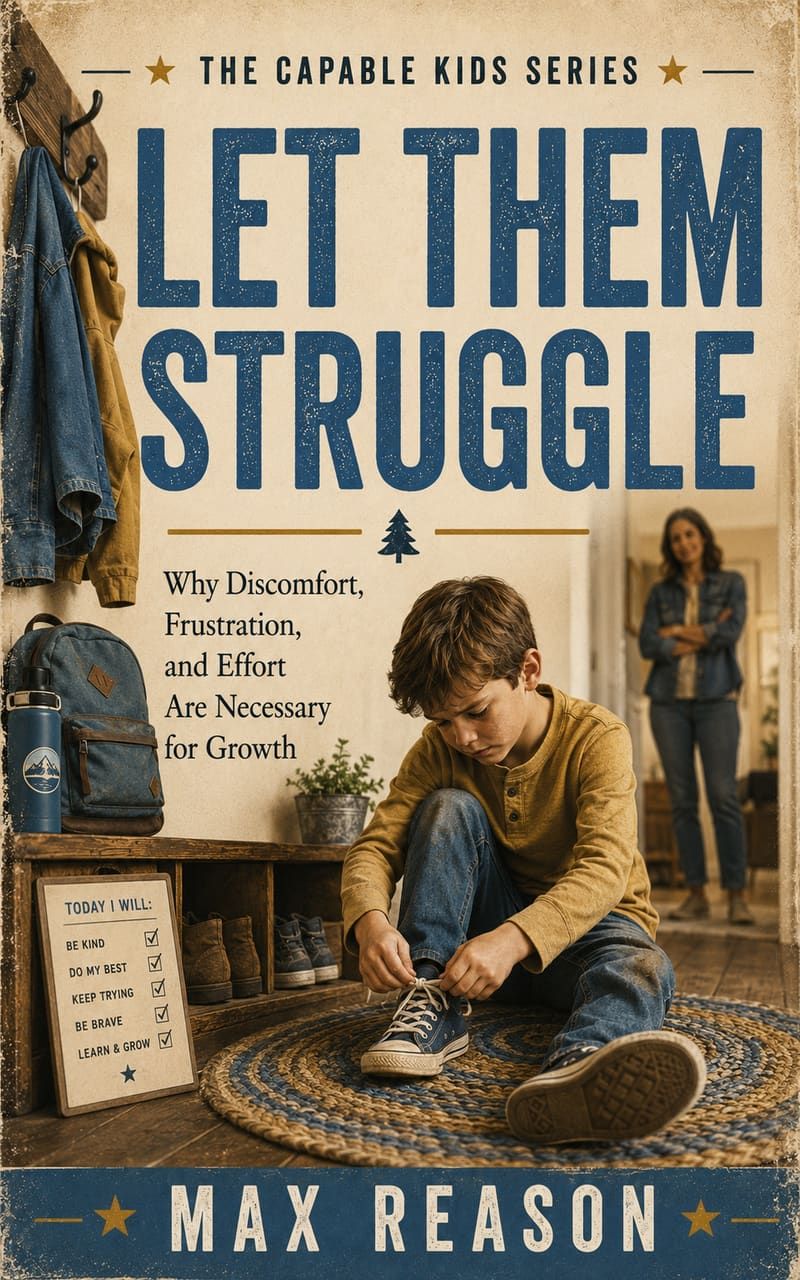
Over time, children who are allowed to sit with reasonable discomfort tend to build more patience, more confidence, and a better internal sense of what they can handle. Children who are rescued from every hard moment often build the opposite: a lower tolerance for frustration and a stronger expectation of rescue.
This isn't a call to manufacture hardship. It's a call to stop treating ordinary difficulty as an emergency.