Independent Play
Stop Solving Every Problem for Your Child
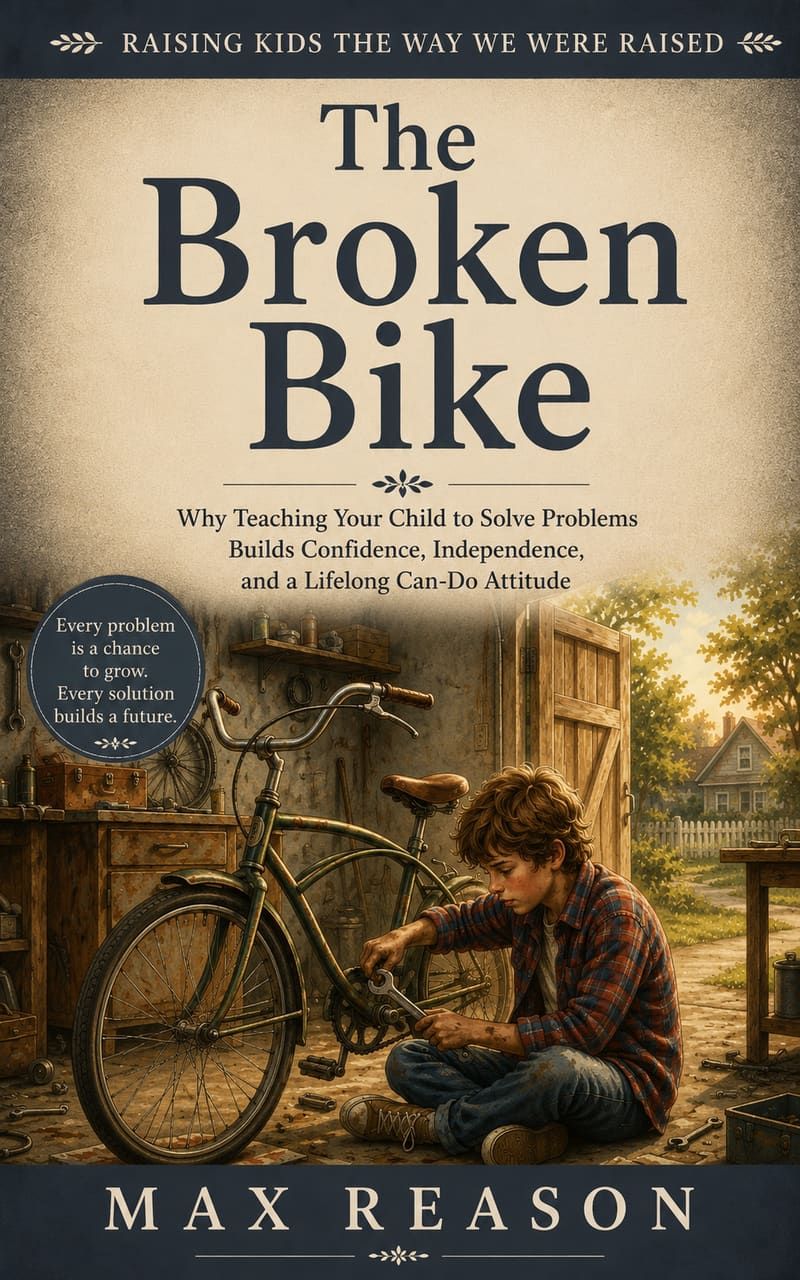
A friend excludes them at recess. A bike chain slips off. A homework problem doesn't make sense. In each of these moments, there's a version of parenting that steps in immediately — and a version that waits a beat first.
Stepping in immediately feels caring, and often is. But when it happens every time, children learn something specific: someone else will handle this. Over time, that lesson can crowd out a much more useful one — I can handle this.
The goal isn't to withhold help. It's to leave a little space before offering it, so a child has the chance to try, fail a bit, and try again. Often they surprise you.
A useful practice is the pause-and-ask: before fixing a problem, pause, and ask what the child has already tried or what they think they could try next. It shifts the moment from rescue to coaching, and it adds up over time into real resourcefulness.
This is not about manufacturing hardship or refusing to help with genuinely difficult or unsafe situations. It's about noticing the small, safe problems that don't actually need an adult — and letting your child have those.