Chores and Responsibility
How to Teach Responsibility Without Constant Rewards
It's a common setup: a chore chart with a dollar amount next to each task, paid out at the end of the week. It's not a bad system, and it does teach something real about work and money. But it can quietly teach the wrong lesson if it's the only system a child ever experiences.
If every single household task comes with a price tag, a child learns to ask a very specific question before doing anything: what do I get for this? That's a useful question for a paid job. It's a much less useful question for being a decent member of a family.
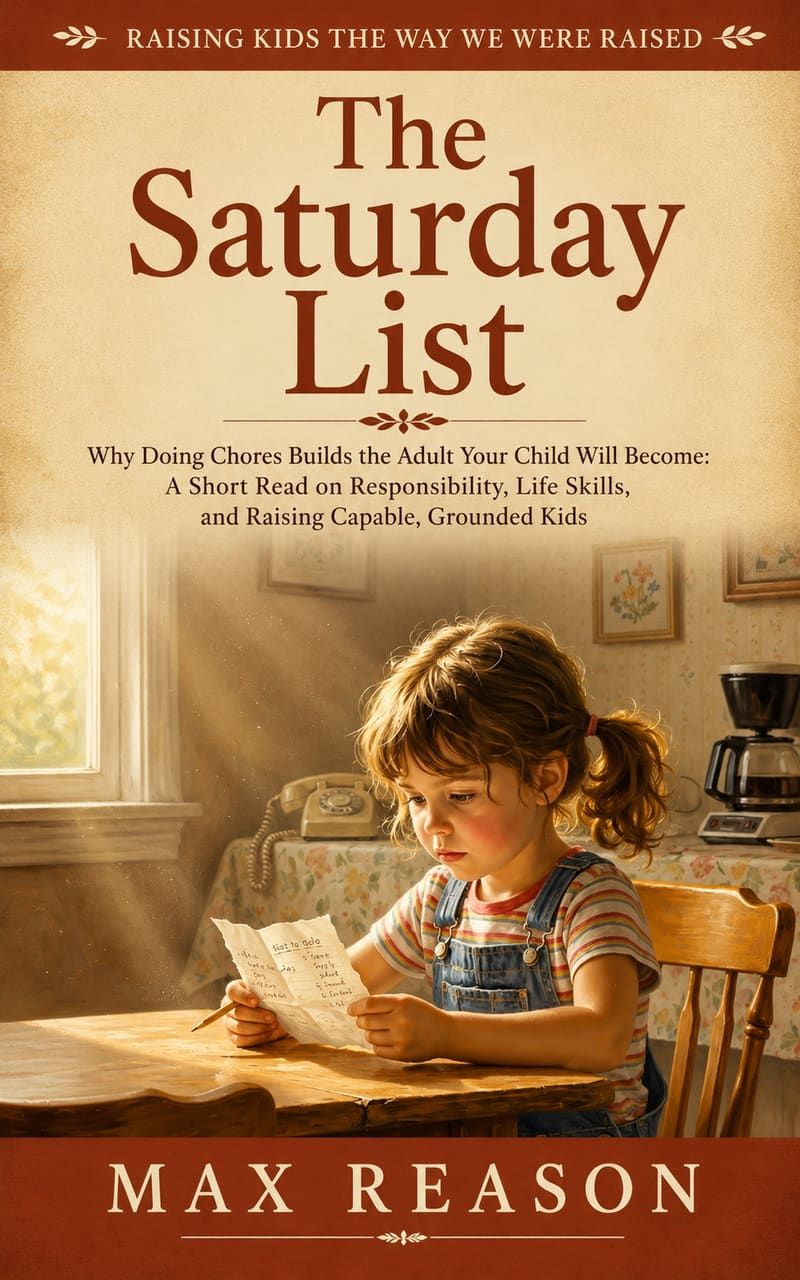
Some responsibilities work better as simply part of how the house runs — no negotiation, no payment, no chart. Clearing your own plate. Keeping your own room reasonably livable. Helping when someone obviously needs a hand. These build the sense that you contribute because you belong here, not because someone's paying you to.
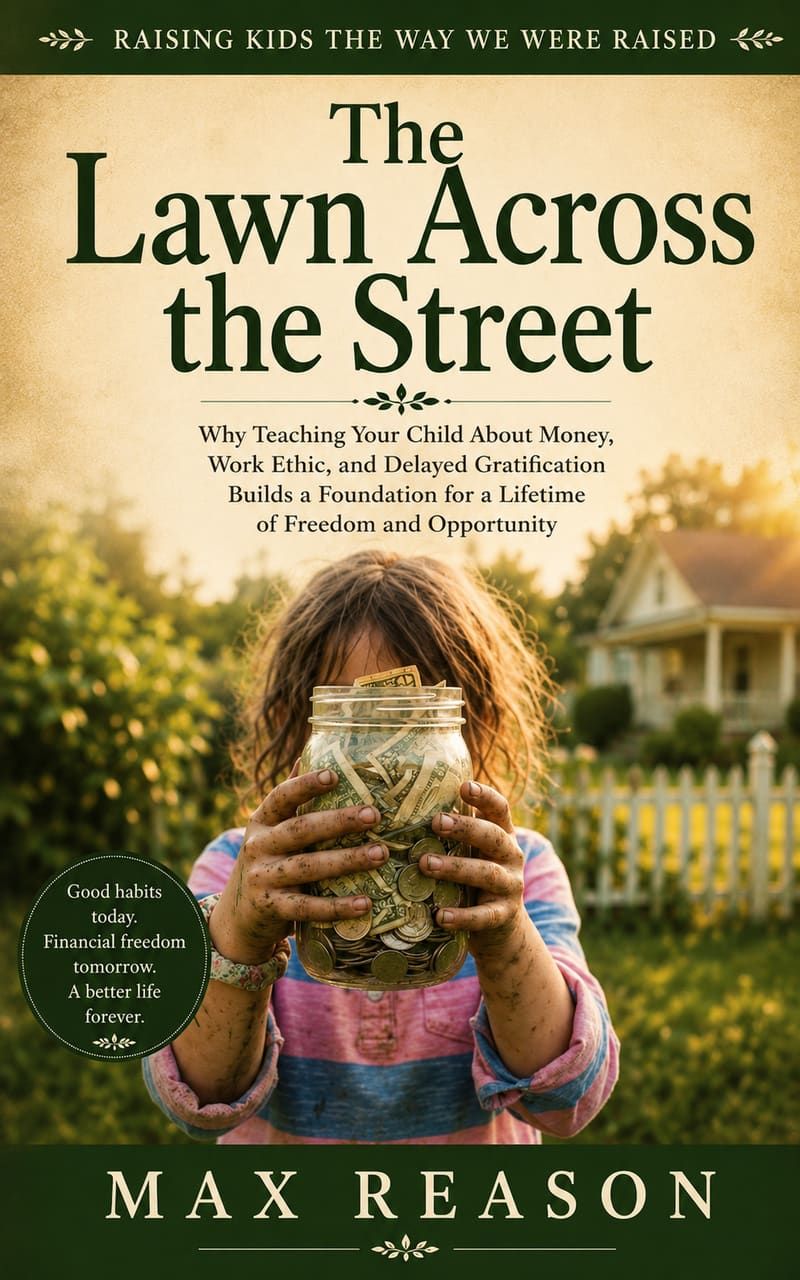
Earning money for extra effort still has its place — the lawn mowed for a neighbor, the bigger project taken on for pay — and it teaches its own valuable lesson about work and reward. The two systems aren't in conflict. They just teach different things, and a child benefits from experiencing both.
The households that get the most out of chores tend to keep the two separate on purpose: a short list of unpaid, non-negotiable contributions, and a separate, clearly labeled list of paid opportunities for those who want to earn more. Kids can tell the difference, and so can the lesson.